
August 19, 2026
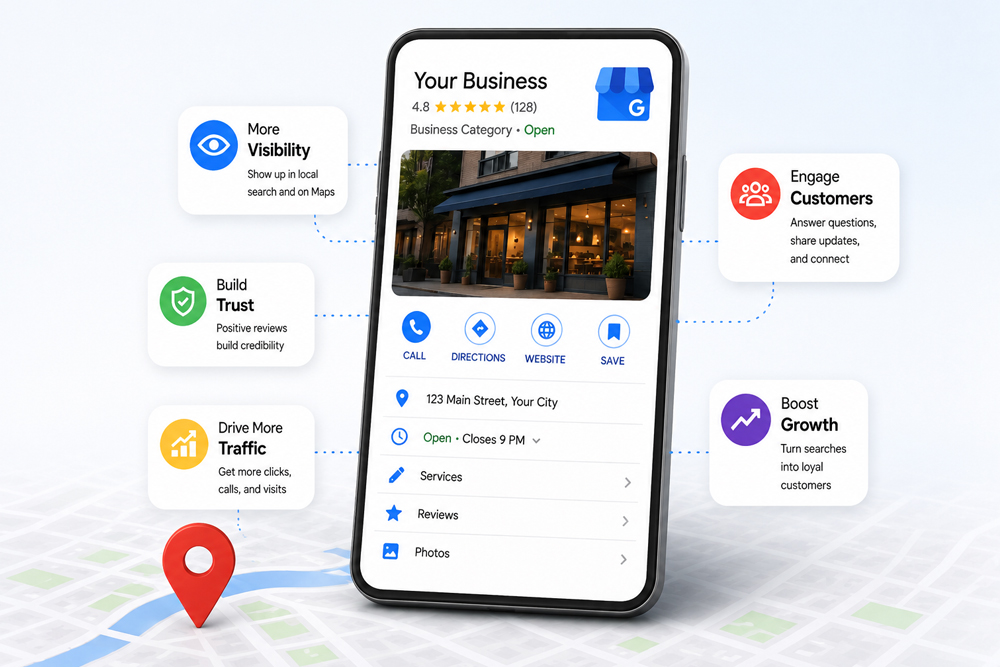
Ask most small business owners about their Google Business Profile and you will hear some version of the same thing: they set it up...


Search Engine Optimisation (SEO) and user experience (UX) are integral components of a successful digital strategy. Both factors play a significant role in enhancing a website’s visibility on search engines and improving user satisfaction. Understanding why search and user experience remain crucial for SEO involves delving into their impact on search engine rankings and overall website performance.
Search is the primary mechanism through which users discover content on the internet. Effective SEO ensures that a website ranks highly on search engine results pages (SERPs), making it easier for users to find relevant information. Search engine algorithms assess various ranking factors to determine a website’s position. Key aspects include:
| Factor | Impact on SEO |
| Relevance | Matches search intent, leading to better rankings |
| Content Quality | High-quality content ranks better and attracts users |
| Website Performance | Faster sites rank higher and offer a better user experience |
| Mobile-Friendliness | Mobile-optimised sites perform better in mobile searches |
User experience encompasses how users interact with a website, including ease of navigation, site speed, and overall satisfaction. A positive UX is closely linked to SEO performance, as search engines increasingly factor user experience into their ranking algorithms. Here’s why UX is crucial:
| Factor | Impact on SEO | Impact on User Experience |
| Page Load Speed | Higher rankings due to better performance | Reduces user frustration and bounce rates |
| Mobile Compatibility | Essential for mobile search results | Ensures usability on all devices |
| Intuitive Navigation | Helps search engines understand site structure | Improves ease of finding information |
| Content Readability | Enhances engagement and ranking | Increases user satisfaction and retention |
Integrating SEO and UX strategies provides a comprehensive approach to improving both search engine rankings and user satisfaction. The benefits of this integration include:
The relationship between search and UX is reciprocal. A well-optimised site that provides a positive user experience is more likely to perform well in search rankings. Conversely, sites that rank highly are often those that deliver a great user experience. Search engines, like Google, use various metrics related to user experience to determine rankings, such as:
A study by Search Engine Land found that 75% of users never scroll past the first page of search results (Source: Search Engine Land). This statistic underscores the importance of achieving high search rankings through effective SEO and providing a user-friendly experience to retain visitors.
To enhance both SEO and UX, businesses should consider the following strategies:
For further reading, the Australian Government’s Digital Transformation Agency provides guidelines on digital accessibility, which can aid in improving UX and SEO (Source: Digital Transformation Agency). Additionally, Google’s SEO Starter Guide offers comprehensive advice on optimising sites for search engines (Source: Google).
At GYA, we specialise in crafting tailored SEO and UX strategies to enhance your online presence. Whether you need to improve your search engine rankings or create a more engaging user experience, our expert team can help you achieve your digital goals.
By integrating effective SEO practices with a focus on user experience, you can optimise your website for both search engines and users, driving better results and fostering a more positive online experience.
1. Why is search important for SEO?
Search is fundamental to SEO because it determines how easily users can find your website. Search engines use complex algorithms to assess various ranking factors such as content relevance, quality, and site performance. By optimising these elements, you can improve your website’s visibility in search results, which drives organic traffic and enhances brand awareness. High search engine rankings often translate to higher credibility and trust from users.
2. How does user experience impact SEO rankings?
User experience significantly impacts SEO rankings because search engines prioritise sites that offer a positive user experience. Factors like page load speed, mobile compatibility, and easy navigation contribute to how users interact with your site. If users have a good experience, they are more likely to stay on the site longer and engage with its content, which signals to search engines that your site is valuable and relevant, potentially improving your rankings.
3. What are the key attributes of a good user experience?
Key attributes of a good user experience include:
4. How can improving website performance enhance SEO?
Improving website performance, such as reducing page load times and ensuring smooth navigation, can enhance SEO by reducing bounce rates and increasing user engagement. Faster sites provide a better user experience, which search engines recognise and reward with higher rankings. Additionally, performance improvements can lead to higher conversion rates and greater overall user satisfaction.
5. Why is mobile-friendliness crucial for SEO?
Mobile friendliness is crucial for SEO because a growing number of users access websites through mobile devices. Search engines like Google use mobile-first indexing, meaning they primarily use the mobile version of a site to determine rankings. A mobile-friendly site improves user experience on smartphones and tablets, reduces bounce rates, and can positively impact search engine rankings.
6. What role does content quality play in SEO?
Content quality plays a significant role in SEO as search engines aim to provide users with the most relevant and valuable information. High-quality content that addresses user queries, provides comprehensive answers, and offers unique insights is more likely to rank well on SERPs. Well-crafted content also encourages user engagement, sharing, and backlinks, all of which contribute to better search engine rankings.
Ask most small business owners about their Google Business Profile and you will hear some version of the same thing: they set it up...

A new acronym has entered the marketing vocabulary, and unlike most, it points to a genuine shift rather than a rebrand of something old....

Search has changed shape faster in the past two years than in the previous ten. Ask Google a question today and the first thing...