August 19, 2026
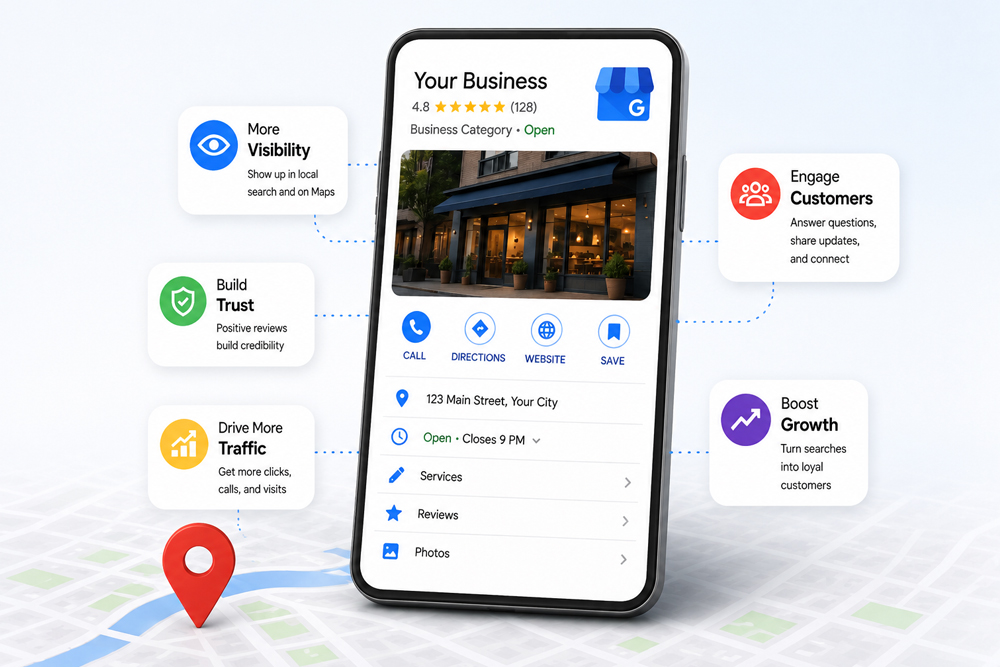
Ask most small business owners about their Google Business Profile and you will hear some version of the same thing: they set it up...


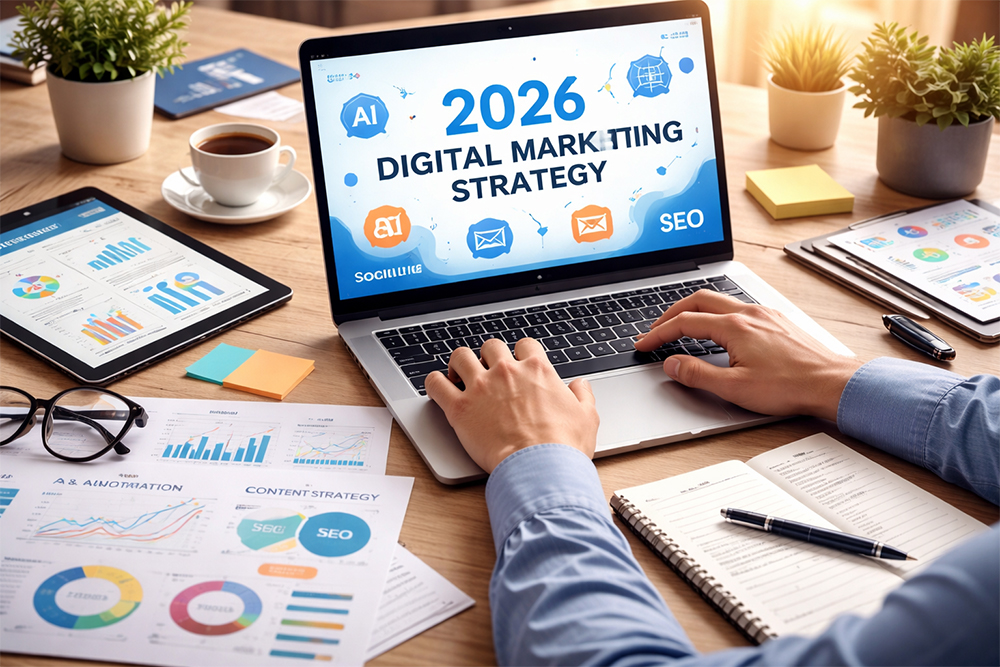
The digital space is more competitive, saturated, and fast-evolving than ever before. As 2026 approaches, the pressure is on for brands to not just do digital marketing—but to do it smarter, sharper, and with long-term impact. Forget outdated tactics and disjointed campaigns. The future belongs to data-driven, customer-focused, omnichannel strategies that integrate cutting-edge technology and deliver measurable performance.
In this article, we unpack how to architect a high-impact digital marketing strategy that reflects the changing expectations of consumers, the dominance of automation, and the increasing demand for personalisation and accountability.
Every successful digital strategy starts with a strong foundation. If your strategy isn’t anchored in real goals, solid data, and a clear understanding of your audience, you’re simply guessing.
Key foundational components include:
These aren’t optional. They’re fundamental pillars in building a marketing engine that not only drives growth but sustains it.
The rise of hyper-personalisation means consumers now expect brands to know them. Not just by name—but by behaviours, preferences, and stage in the buying journey.
In 2026, customer-centric marketing includes:
The focus should be on delivering relevance and value at every digital touchpoint, not simply broadcasting messages.
AI and marketing automation are no longer emerging trends—they are strategic imperatives. These tools free up time, eliminate guesswork, and enhance precision.
Ways to implement AI and automation in 2026:
AI must support—not replace—human creativity. The real impact lies in the combination of automation’s scale and human strategy.
Content remains king—but only if it’s relevant, rich in intent, and highly optimised. The demand for snackable, visual, and interactive content continues to surge.
Winning content formats in 2026 include:
Search visibility strategies to embrace:
To succeed, ensure your content strategy is multi-format, responsive, and created for both users and search engines.
Omnichannel doesn’t mean being everywhere—it means being everywhere your customer is, with context-aware, consistent messaging.
| Marketing Tactic | ROI Potential | Ideal For | Tool Examples |
| SEO | High | Long-term brand growth | SEMrush, Ahrefs, Surfer SEO |
| Email Automation | High | Nurturing leads | Mailchimp, ActiveCampaign |
| PPC / Paid Ads | Medium-High | Quick traffic/conversions | Google Ads, Meta Ads |
| Social Media Marketing | Medium | Brand awareness & engagement | Hootsuite, Buffer, Sprout Social |
| Influencer Partnerships | Variable | Niche targeting | Upfluence, Aspire |
| AR/VR Marketing | Experimental | Innovation & Gen Z audiences | Snap AR, Meta Spark |
It’s vital to track cross-channel attribution to see which ones drive conversions, not just clicks.
The martech stack you choose can empower—or sabotage—your results. In 2026, tool selection should focus on integration, automation, and usability.
| Function | Top Tools (2026-ready) |
| SEO & Content Optimisation | Surfer SEO, Clearscope |
| AI Content Writing | Jasper AI, Copy.ai, ChatGPT |
| Social Media Scheduling | Planable, Later, Sprout Social |
| Marketing Automation | HubSpot, ActiveCampaign |
| Analytics & Tracking | GA4, Mixpanel, Adobe Analytics |
| Email Marketing | Klaviyo, ConvertKit |
| CRM & Segmentation | Salesforce, Zoho CRM |
Always choose platforms that scale with your business and integrate smoothly with your data and reporting systems.
Even well-funded digital strategies fail when key pitfalls are ignored. Avoiding these will give you a sharp competitive edge.
Regular audits, continuous testing, and customer feedback are your best tools for staying ahead.
If you’re serious about scaling in 2026, you need more than strategy—you need a strategic partner that lives and breathes performance marketing. That’s where Generate Your Audience comes in.
This isn’t just another agency. Generate Your Audience fuses creativity, data science, and automation to deliver campaigns that not only look good—but perform. From omnichannel marketing blueprints to advanced segmentation and automation, their approach is grounded in impact, measurable success, and long-term growth.
If your business is ready to dominate 2026 with a high-impact digital marketing strategy, then Generate Your Audience is the team that delivers clarity, execution, and results. Don’t settle for generic—go bespoke, go bold.
References
1. What is the most important first step when building a digital marketing strategy?
Start by defining your business goals and aligning KPIs. Without clear objectives, it’s impossible to measure success or guide your tactical decisions effectively.
2. How can I personalise my digital marketing without breaching privacy laws?
Use anonymised data for segmentation and ensure compliance with the Privacy Act and GDPR equivalents. Consent-based marketing is essential.
3. Is AI going to replace marketers in 2026?
No. AI enhances capability but doesn’t replace the strategic thinking, creative vision, and human insight that marketers bring. It’s a tool, not a substitute.
4. Which platform should I prioritise: social media or email marketing?
It depends on your audience and goals. Social media is great for awareness and engagement, while email excels at nurturing and conversions. Ideally, use both in harmony.
5. How often should I revise my marketing strategy?
Quarterly reviews are recommended to adapt to market trends, platform updates, and performance data.
6. What’s the best way to measure campaign success across channels?
Use cross-channel attribution models, unified dashboards, and ROI-focused metrics like cost per lead, conversion rate, and customer lifetime value (CLV).
Ask most small business owners about their Google Business Profile and you will hear some version of the same thing: they set it up...
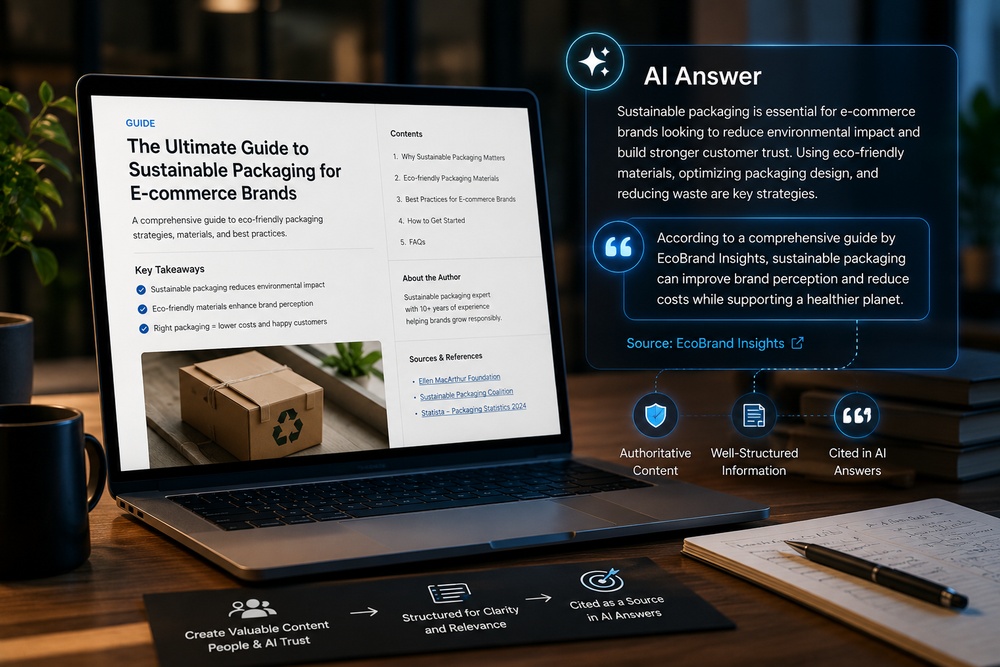
A new acronym has entered the marketing vocabulary, and unlike most, it points to a genuine shift rather than a rebrand of something old....

Search has changed shape faster in the past two years than in the previous ten. Ask Google a question today and the first thing...