
August 19, 2026
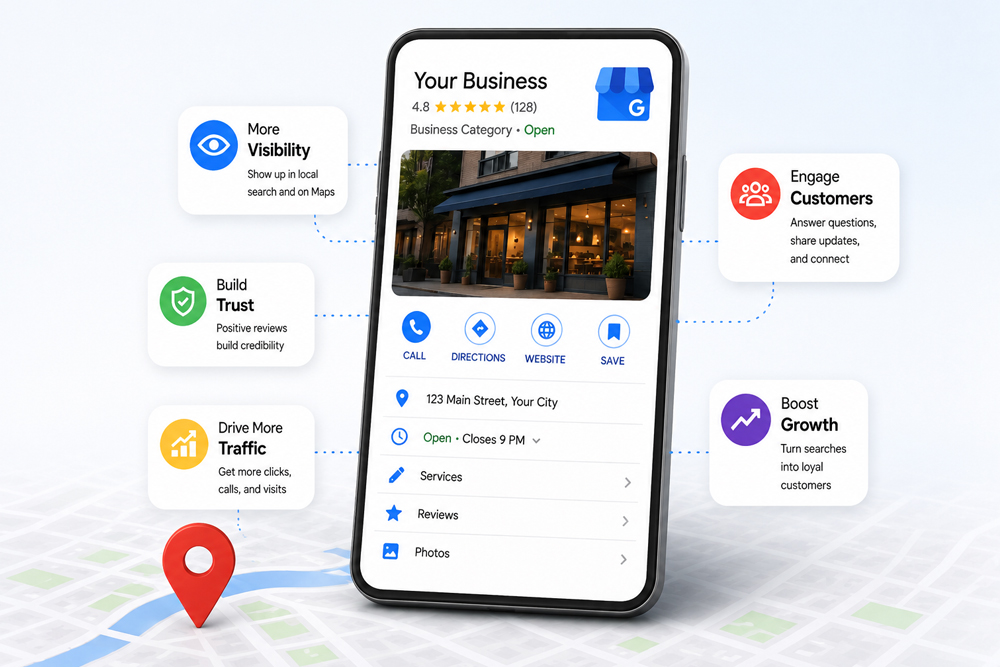
Ask most small business owners about their Google Business Profile and you will hear some version of the same thing: they set it up...


In today’s fast-paced business environment, hiring a business consultant has become a smart move for many companies, whether they are start-ups or established firms. Business consultants provide much-needed expertise to help businesses grow, optimise processes, and solve complex challenges. This article explores the key benefits of hiring a business consultant, offering insights into how external expertise can drive long-term success and profitability.
Hiring a business consultant comes with a multitude of benefits, ranging from strategic insights to improved efficiency and reduced operational costs. Let’s dive deeper into why engaging a business consultant could be one of the best decisions for your business.
One of the primary reasons businesses seek the assistance of a consultant is the expertise they bring. Business consultants often have years of specialised experience in specific industries. Their knowledge extends across various domains, such as strategic planning, marketing, financial management, and operations optimisation. This expertise is essential for solving complex business challenges and ensuring that businesses remain competitive in an ever-evolving market.
Business consultants can also help identify areas where businesses can cut costs and optimise their resources. Whether it’s through renegotiating supplier contracts, improving operational efficiencies, or eliminating waste, a consultant can provide cost-saving strategies that drive profitability.
An external consultant brings an objective perspective that is often missing from in-house teams who may be too close to a problem. Consultants look at the business from an unbiased viewpoint, enabling them to recommend strategies and solutions that are not influenced by internal politics or emotions.
A business consultant’s role extends far beyond solving problems; they also help businesses grow and scale. By developing growth strategies and identifying new opportunities, consultants can help businesses expand into new markets or introduce new products and services.
Business consultants are crucial in identifying risks that a company may face, whether it’s operational, financial, or market-based. With their expertise, consultants can help businesses create risk management strategies to mitigate potential threats and ensure long-term sustainability.
Consultants also play a vital role in enhancing organisational development. They work with leadership teams to build effective strategies that align with the company’s mission and vision, improving employee performance, engagement, and satisfaction.
A business consultant can bring a wealth of knowledge to various aspects of your business. Below are some key areas where consultants provide assistance:
Business consultants can help at various stages of a company’s life cycle. Here’s a breakdown of how they contribute during different phases:
Business consultants focus on driving performance improvements across the organisation. By evaluating existing processes, identifying inefficiencies, and implementing best practices, consultants help businesses operate more effectively and achieve higher profitability.
| Benefit | Description | Examples |
| Cost Savings | Consultants identify areas for cost-cutting and process optimisation. | Streamlining supply chain management, renegotiating supplier contracts. |
| Improved Efficiency | They help improve workflows and enhance organisational productivity. | Automating repetitive tasks, optimising employee roles. |
| Access to Expertise | You gain access to professionals with specialised knowledge. | Financial forecasting, marketing strategy development. |
| Focus on Core Business | Allows business owners to focus on day-to-day operations. | Delegating strategic planning to a consultant. |
| Objective Problem-Solving | Consultants bring fresh, unbiased perspectives on issues. | Analysing business challenges from an external viewpoint. |
| Risk Management | Consultants identify potential risks and provide strategies to mitigate them. | Developing crisis management plans, diversifying revenue streams. |
If you are looking for expert guidance to streamline your business operations, optimise costs, and drive sustainable growth, GYA is here to help. With years of experience and a team of dedicated professionals, we offer tailored consulting services to businesses across various industries. Let us help you take your business to the next level with strategic insights and innovative solutions. Contact us today and start transforming your business.
References
1. Why should I hire a business consultant?
A business consultant provides expertise, objectivity, and cost-saving strategies that help improve efficiency, drive growth, and manage risks effectively.
2. How can a business consultant help with financial management?
Consultants help businesses with budgeting, financial forecasting, and improving cash flow management, ensuring your finances are well-organised for growth and stability.
3. What types of businesses need consultants?
Businesses of all sizes and industries can benefit from consultants, particularly those looking to optimise operations, scale up, or address specific challenges.
4. How do consultants help with market research?
Consultants conduct thorough market analysis to identify trends, customer preferences, and competitive landscapes, which helps businesses make informed decisions.
5. Can a business consultant help improve employee productivity?
Yes, consultants work with businesses to optimise workflows, improve employee roles, and enhance engagement, leading to higher productivity.
6. What is the cost of hiring a business consultant?
The cost of hiring a business consultant varies depending on the scope of the project and the consultant’s expertise. However, the long-term value they provide typically outweighs the initial investment.
Ask most small business owners about their Google Business Profile and you will hear some version of the same thing: they set it up...

A new acronym has entered the marketing vocabulary, and unlike most, it points to a genuine shift rather than a rebrand of something old....

Search has changed shape faster in the past two years than in the previous ten. Ask Google a question today and the first thing...